Friday night drops to minus 2. Saturday night hits minus 7. That is the whole warning.
The first real cold snap of the season is when we get the calls... burst hose bibs, furnaces that picked tonight of all nights to quit, water heaters giving up under the first real load. Almost all of it is preventable, and it takes about twenty minutes. Here is the short version.
Table of Contents
- Hose bibs first: the number one burst-pipe culprit
- Give your furnace a test run tonight, not Saturday
- Your water heater is working overtime this week
- If a pipe does freeze: the first ten minutes
Hose bibs first: the number one burst-pipe culprit
This is the big one. Every fall, the burst-pipe calls we get are almost always the same story: a garden hose left attached to the outside tap.
Water sits in the hose, backs up into the pipe, freezes, expands... and splits the pipe inside your wall. And if you did shut the water off inside for the winter, you will not even know it happened. You find out in spring, when you turn the water back on and the split lets go inside the wall. Twenty minutes now beats a wall opened up in January.
- Disconnect every hose. Drain them and put them away.
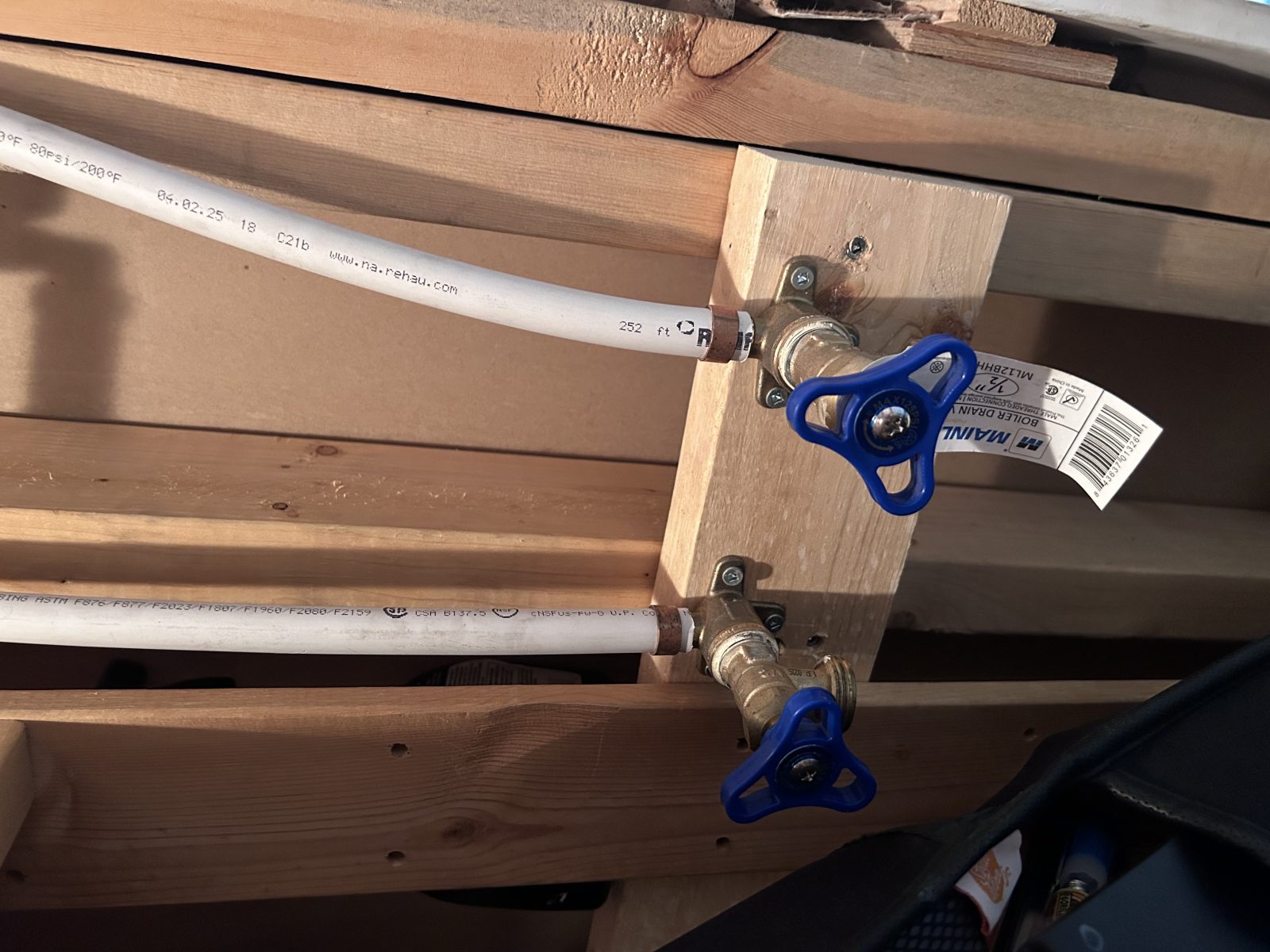
- Find the shut-off valve for each outside tap (usually inside, on the basement ceiling or a utility wall) and turn it off.
- Go back outside, open the tap, and let the leftover water drain out. Leave the tap open for the winter.
If you have frost-proof hose bibs, you still disconnect the hose. The frost-proof part only works when nothing is attached.
No inside shut-off for your outside taps? That is most older houses, and it is the gap that bites people. The steps above only work if there is a valve inside to close. We can add one... a shut-off with a small drain on it, inside where it is warm. Close the valve, open the little drain cap, and whatever water is left in the line empties out inside, instead of sitting in the cold run to the tap all winter. From then on, winterizing that tap takes two minutes, and you know the line is actually empty.
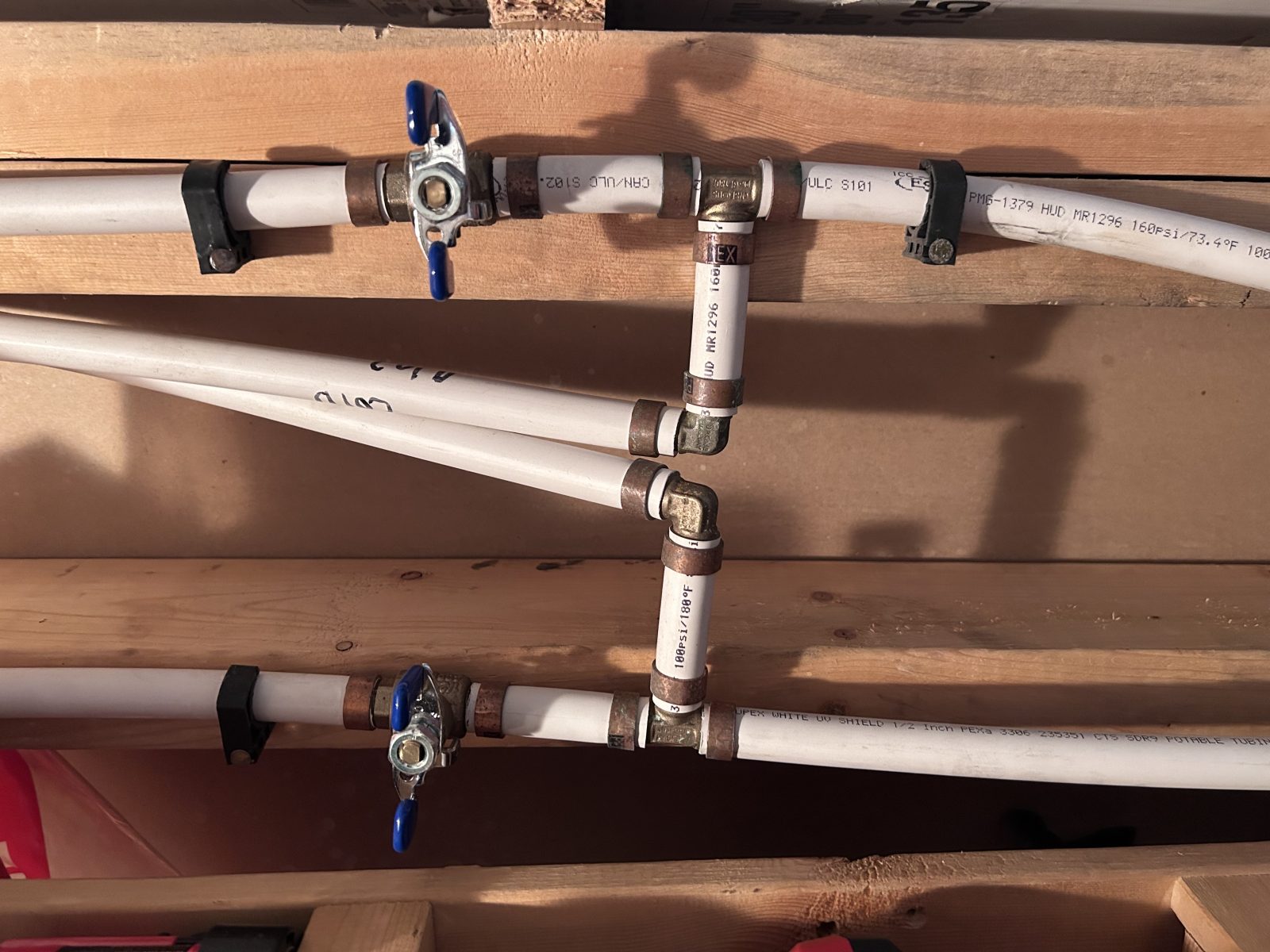
Got a hot water tap outside? Some places have a hot line run outside too, for washing the car or filling a kiddie pool without the cold shock. If you do not have one and you are curious, we wrote a whole post on it: Adding an Outdoor Hot Water Tap: A Game-Changer for Edmonton Homes. If you already have one, it winterizes the same way as the cold tap... only times two. There are two lines to shut off and drain, and the hot side freezes just as happily as the cold if you miss it.
Give your furnace a test run tonight, not Saturday
Furnaces and water heaters are the two calls we get most, and the first cold snap is when the weak ones show themselves. Do not find out Saturday night.
- Check the filter. If you cannot remember the last time you changed it, change it.
- Make sure the intake and exhaust vents outside the house are clear. Leaves, a leaning garbage bin, last year's cobwebs... all of it chokes the furnace.
- Turn the heat up a few degrees right now and let it run a full cycle while it is still mild out. If it short-cycles, makes a new noise, or the house never quite gets warm, that is your warning.
No heat, or heat that is clearly struggling, is a call-us-today situation, not a wait-and-see one.
Your water heater is working overtime this week
Cold incoming water means your water heater works harder starting this weekend. Two quick checks:
- Look at the age on the rating plate. Past 10 to 12 years, start planning, because tanks tend to fail on the coldest week, not the mildest one.
- Listen for rumbling or popping when it heats. That is sediment boiling at the bottom of the tank, and a flush fixes it. If that is not a job you want to take on, we do tank flushes as a service call.
If a pipe does freeze: the first ten minutes
It happens, even to careful people. If a tap gives you nothing on a cold morning:
- Leave the faucet open. Moving water is harder to freeze, and it gives the ice somewhere to go.
- Find your main water shut-off and make sure you know how to turn it. If the pipe has already burst, this is the move that limits the damage.
- Call a plumber before you get creative. No torches, no heat guns on pipes, especially anywhere near gas lines. Thawing a pipe wrong can do more damage than the freeze did.
The short version
Disconnect the hoses. Shut off the outside taps. Change the furnace filter and run a test cycle tonight. Glance at the water heater's age. Twenty minutes, and you are done before the freeze.
And if something does go wrong this weekend... that is what we are here for. Call or text 780-717-3743.
0 Comments
No comments yet. Be the first!
Leave a Comment